Few things unsettle a homeowner quite like the first signs of subsidence: a crack snaking up a wall, a door that suddenly sticks, a floor that no longer feels quite level. And very often, the first question asked is whether the tree in the garden is to blame. The relationship between trees and subsidence is real, but it is also widely misunderstood, and the knee-jerk reaction of felling a mature tree can be both unnecessary and, if the tree is protected, illegal. As arboricultural consultants working across Surrey and the wider South, we are asked about this constantly, and this guide sets out what homeowners genuinely need to know.
What Is Subsidence, And How Are Trees Involved?
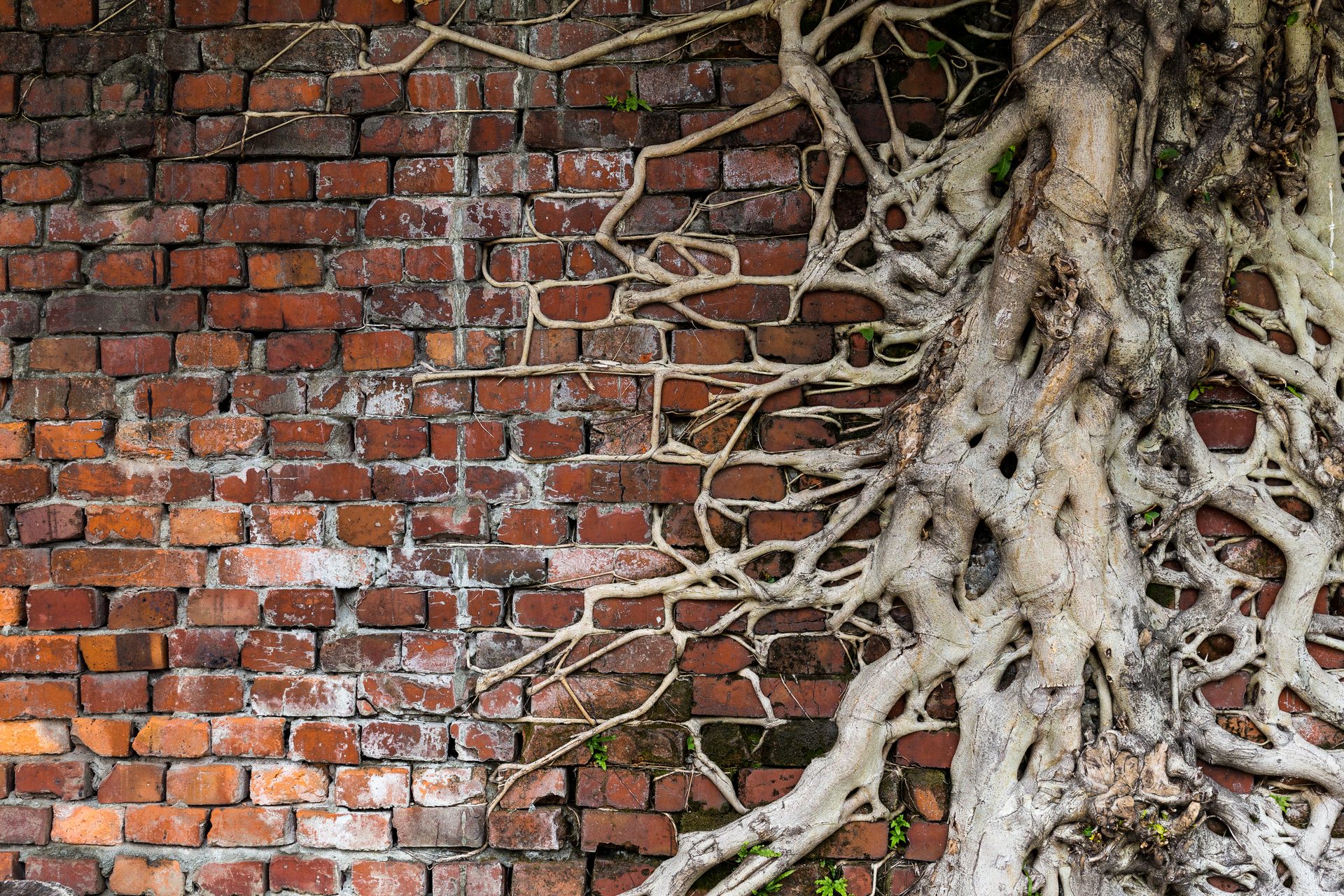
Subsidence is the downward movement of the ground beneath a building’s foundations, which can cause the structure above to crack and distort. It is most common on shrinkable clay soils, which swell when wet and shrink when dry. Because trees draw large volumes of water from the soil as they grow, a tree close to a building can, in the right conditions, dry out clay soil enough to contribute to that shrinkage, and therefore to subsidence.
Understanding trees and subsidence is the first step towards a calm, sensible response.
The crucial phrase, though, is “in the right conditions”. Trees are only one possible factor, and often not the decisive one. Leaking drains, the natural settlement of a new build, and prolonged dry weather can all cause or worsen subsidence entirely independently of any tree. Assuming the tree is guilty without proper investigation is one of the most common and costly mistakes a homeowner can make.
When A Tree Is, And Is Not, The Culprit
Whether a tree is genuinely implicated depends on a handful of factors that a professional will assess carefully. It is worth understanding what these are:
- Soil type: subsidence linked to trees is largely confined to shrinkable clay soils; on sand or gravel the risk is far lower.
- Distance and species: the closer a tree is to the foundations, and the thirstier the species, the greater the potential influence.
- Tree size and water demand: a large, actively growing tree draws far more moisture than a small or slow-growing one.
- The building’s foundations: older, shallow foundations are more vulnerable than modern deep ones.
- Evidence of a pattern: genuine tree-related subsidence usually shows seasonal movement, worse in dry summers and easing in wet winters.
Only when these factors are weighed together can a reliable judgement be made. This is exactly why a professional assessment matters so much: it distinguishes a tree that is truly contributing from one that simply happens to be nearby, and it prevents the needless loss of a valuable, healthy tree.
Why You Should Not Rush To Fell The Tree
The instinct to remove a tree at the first sign of a crack is understandable, but it can backfire in more ways than one. Firstly, on clay soil, suddenly removing a large tree can trigger the opposite problem, heave, where the soil, no longer dried by the tree, swells and lifts the foundations, causing fresh damage. Felling can, in other words, make things worse rather than better.
Secondly, the tree may be protected. Many trees are covered by a Tree Preservation Order or sit within a conservation area, and removing or even pruning them without consent is a criminal offence that can carry a substantial fine. And thirdly, if the tree was never the real cause, felling it solves nothing while the true problem, perhaps a leaking drain, continues unchecked. We say to homeowners regularly: investigate first, act second.
What To Do If You Suspect Tree-Related Subsidence
If you are worried, the sensible path is measured rather than drastic. Start by keeping a record of any cracks, noting their location, width and whether they change with the seasons. Inform your buildings insurer, as subsidence claims are typically handled through your policy and they will usually arrange investigations. And engage an arboricultural consultant to assess the trees objectively alongside any structural and soil investigations.
A good consultant will not simply recommend felling. Where a tree is genuinely implicated, there are often gentler options, such as a carefully designed programme of crown reduction and cyclical pruning to manage the tree’s water demand while retaining it. The aim is to resolve the movement while keeping a valuable tree wherever possible, and to do so lawfully and with proper evidence behind every decision.
Frequently Asked Questions About Trees And Subsidence
Does a tree near my house always cause subsidence?
No. A tree only tends to contribute to subsidence on shrinkable clay soil, when it is large, close to the building and drawing significant moisture. Many trees near homes cause no problem at all, and other factors such as drains are frequently the real cause.
Can I just cut the tree down to fix it?
Rarely a good idea. On clay soil, sudden removal can cause heave, which lifts foundations and creates new damage. The tree may also be protected, making removal without consent illegal. Always investigate and take advice first.
How do I know if my tree is protected?
Check with your local planning authority, which holds the register of Tree Preservation Orders, and establish whether your property sits in a conservation area. An arboricultural consultant can confirm the position for you.
Who pays for subsidence investigations?
Subsidence is usually covered by your buildings insurance, and the insurer typically arranges and funds the investigations. It is important to involve them early rather than acting on your own.
The Value Of Keeping Mature Trees
It is worth remembering, amid the worry, just how much a mature tree contributes. Established trees add significant value and character to a property, support local wildlife, provide shade and shelter, and take decades or longer to replace. Losing one unnecessarily is a genuine loss, not just an inconvenience. That is why our approach always begins from the position of retaining the tree where it is safe and sensible to do so, and why we look for management solutions before removal. In the great majority of cases we assess, the tree can be kept, the movement managed, and the homeowner spared both the expense of felling and the years of waiting for a replacement to grow. A measured, expert response protects your home and your garden alike.
Get Expert Advice From Canopy Consultancy
The link between trees and subsidence is real but far more nuanced than the alarm around a single crack suggests. Removing a healthy, often protected tree in a panic can be unnecessary, unlawful, and can even make the problem worse, so the right first step is always a proper, evidence-based assessment.
If you are concerned about trees and subsidence near your home, talk to us before taking any action. We will assess the trees objectively, work alongside your insurer and other specialists, and recommend the course that resolves the issue while protecting valuable trees wherever possible. Call us on 07775 686588 or visit canopyconsultancy.com to arrange an assessment. Find out more about what we do on our home page.
Share This Story, Choose Your Platform!
About the Author: Canopy Consultancy