
Planning to build on your property can be exciting, but it’s easy to overlook what’s already growing there. Trees might seem like a minor detail, but they can cause serious issues if not properly assessed. Roots could interfere with foundations, and some trees may be protected by law. Getting a tree survey before building helps you understand what’s on your land and how it might affect your plans. It’s not just about avoiding fines or delays – it’s also about keeping the build safe and sustainable. A bit of early planning can save you time, money, and headaches later on.
Protecting Valuable Natural Assets
Building on your land can change the area in many ways. One part that often gets missed is how trees fit into the plan. A tree survey before building helps you know what’s already growing on the site. This includes spotting species that might be protected by law or ones that support local wildlife.
Some trees take years to grow and serve an important role in their surroundings. They offer shelter for birds, insects and other animals. They also help clean the air and manage water runoff during heavy rain. Cutting them down without checking first could harm more than just your property’s look, it could affect nearby plants and animals too.
The survey gives a clear picture of which trees should stay and which ones might need special care if they’re near where you want to build. It can also show you where roots spread underground so you don’t damage them when digging foundations or laying pipes.
In some cases, certain types of trees may be protected by local rules or conservation laws. If these get removed without permission, it could lead to fines or legal trouble. The survey helps avoid this by flagging any risks early on.
By keeping key trees in place, you not only follow the rules but also keep part of the natural surroundings intact. That can make your finished build feel more grounded and connected to its setting while still meeting planning needs. Doing this early saves time later, especially if changes need to be made based on what’s found during checks on site. It also gives peace of mind knowing you’re building with care for both people and nature around you.

Ensuring Legal Compliance
Many local councils set rules around trees on private land. These rules often come through Tree Preservation Orders, known as TPOs. A TPO stops someone from cutting down, trimming or damaging a tree without permission. Ignoring this can lead to fines or delays in your project.
A tree survey before building helps you avoid these issues. A qualified arborist checks the site and lists all the trees there. They identify which ones fall under a TPO or other council protections. This report gives you clear facts about what changes you can make, and which trees must stay untouched.
Some councils also have planning policies that protect certain species or require space between buildings and tree roots. If you start digging without knowing where these roots spread, you might harm protected areas underground. That could lead to penalties or even force you to stop building. Having a survey done early means fewer surprises later on. It helps planners see that you’re following the rules from day one. Councils tend to move faster with applications when they see you’ve already taken steps like this.
You may also need to submit the survey if you’re applying for planning permission. Without it, your application might get rejected or delayed while further checks take place. By getting proper advice from someone who understands local laws, you’re more likely to avoid trouble down the line. You don’t want your build held up because of one missed regulation about a tree that’s been standing there for years.
Taking these steps shows respect for both legal process and natural surroundings, something councils look out for when reviewing proposals like yours.
Avoiding Costly Delays
Starting a building project without checking the trees on your land can lead to problems. Some trees may be protected by law. Others might have roots that stretch far and wide underground. If you dig near them without knowing, you could damage them or break planning rules. These issues can stop your plans halfway through the job. Getting a tree survey before building helps you spot these risks early. A trained expert will look at each tree and report on its condition, size, and location. They’ll also check if any roots might get in the way of digging or laying foundations. This step gives builders a clear idea of what they can or cannot do from day one.
If someone skips this process, they might need to pause construction later on. That could mean paying more in labour costs, hiring extra help, or dealing with legal trouble if certain trees were harmed by mistake. Fixing these things after starting is often harder and more expensive than dealing with them upfront. Local councils may ask for proof that you’ve done proper checks before granting permission to build. Without it, projects might face long waits while paperwork gets sorted out again. Planners may also request changes to your design if it affects nearby trees too much.
Builders and property owners who plan ahead save time and money down the line. A simple survey at the start avoids last-minute surprises that slow everything down or add charges no one expected at the beginning of the job. By catching possible issues early, people stay on schedule and avoid stress later during construction works, especially when working with tight timelines or fixed budgets where every delay counts.
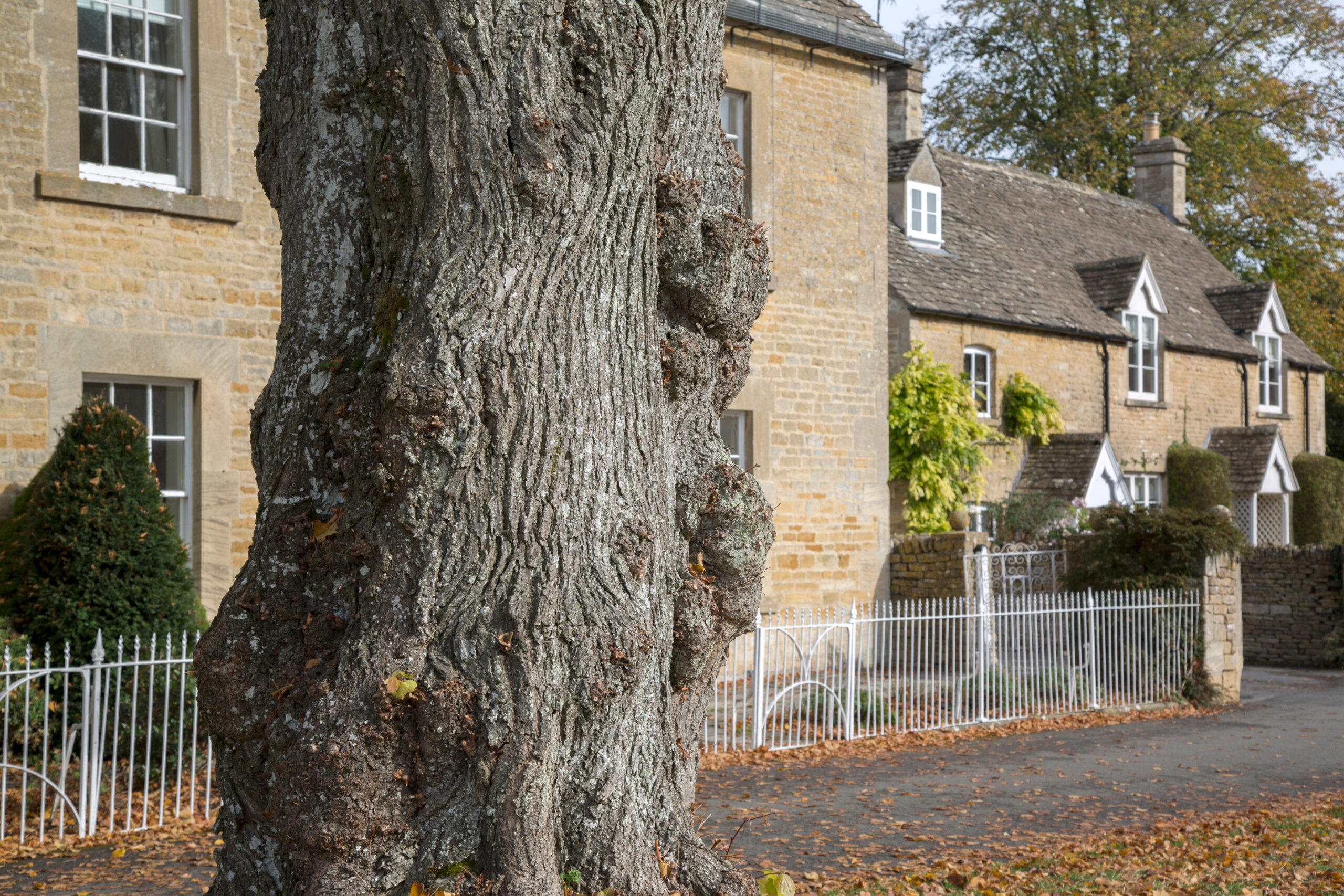
Enhancing Site Planning and Design
Carrying out a tree survey before building helps you understand what’s already on your land. It gives clear details about where trees stand, how large they are, and whether they’re in good condition or not. This information matters from the very beginning of any building project. When architects know the exact positions of trees, they can plan better layouts. They can place buildings, driveways, and paths in ways that avoid harming tree roots or trunks. This saves time later on since fewer changes need to be made once construction starts. It also means less risk of damaging protected species or breaching regulations.
Knowing which trees can stay often shapes the overall design. Builders might leave space around strong root systems or shift structures slightly to protect healthy growth. Some developers even choose to include mature trees as part of gardens or shared outdoor areas, making use of what’s already there instead of starting from scratch.
A proper survey also shows which trees may be unsafe or likely to fall during storms. Removing these early avoids problems down the line and keeps workers safe during construction. It also allows for more accurate cost planning since you’ll know ahead if removal is needed. By understanding what parts of the site must stay untouched due to roots or legal protections, designers avoid delays caused by last-minute surprises. They can create smarter plans with fewer setbacks while still respecting natural features on-site.
Getting this done at the start makes everything smoother later – less guesswork, fewer changes mid-build, and a clearer path forward for everyone involved in development.
Why a Tree Survey Before Building Should Be Your First Step in Any Project
Before breaking ground, it’s essential to understand what’s already growing on your land. A tree survey when starting any project helps you protect valuable natural features, stay on the right side of planning regulations, and avoid unexpected delays or costs down the line. It also gives architects and planners a clearer view of how best to design around existing trees, enhancing both aesthetics and sustainability. Taking this step early on isn’t just smart – it’s necessary if you want your project to run smoothly and responsibly. Think of it as laying the groundwork for success, literally.
Share This Story, Choose Your Platform!
About the Author: Canopy Consultancy