Thinking about removing a tree or needing council approval for some backyard changes? You’ll likely need a qualified arborist report to get things moving. Councils often ask for one before they’ll say yes to any tree-related plans, especially if the tree’s protected or close to property lines. An arborist can check the tree’s health, look for risks, and give expert advice on what should happen next. It might sound like a hassle, but getting the right report from someone who knows what they’re doing can save time and help avoid fines or delays down the line.
Understand Council Requirements for Tree Works
Every local council has its own set of rules when it comes to tree removal or pruning. Before doing anything, check with your council. Some trees, even on private land, may be protected by local laws. You might need written permission before starting any kind of tree work.
Councils often ask for a qualified arborist report as part of the approval process. This document gives details about the tree’s health, structure and safety risk. It also explains why the tree should be removed or trimmed. Without this report, your request could get delayed or rejected.
Don’t assume smaller jobs don’t need approval. Even light pruning can fall under council rules if the tree is in a conservation area or covered by a preservation order. Ignoring these rules could lead to fines or legal trouble later on.
The application process usually involves filling out forms and attaching supporting documents like photos and site plans. The arborist report helps support your case by giving expert advice based on an inspection of the tree.
Some councils have online tools where you can check if a property has protected trees. Others require you to call or email them directly for that information. Either way, it’s best not to guess; get clear answers before making any decisions.
If you’re unsure about what’s allowed, contact your local planning office early on. They’ll guide you through what’s needed and help avoid delays later down the track.
Planning ahead saves time and avoids problems with compliance or penalties from unauthorised works. It also makes sure that all actions taken meet community standards for green space management and safety concerns around trees near buildings or roads.
Why You Need a Qualified Arborist Report
A qualified arborist report gives clear facts about a tree’s condition. It looks at the health of the tree, how strong it is, and whether it might cause harm to people or property. If you’re thinking about removing a tree or doing major pruning, most councils will ask for this kind of report before giving approval.
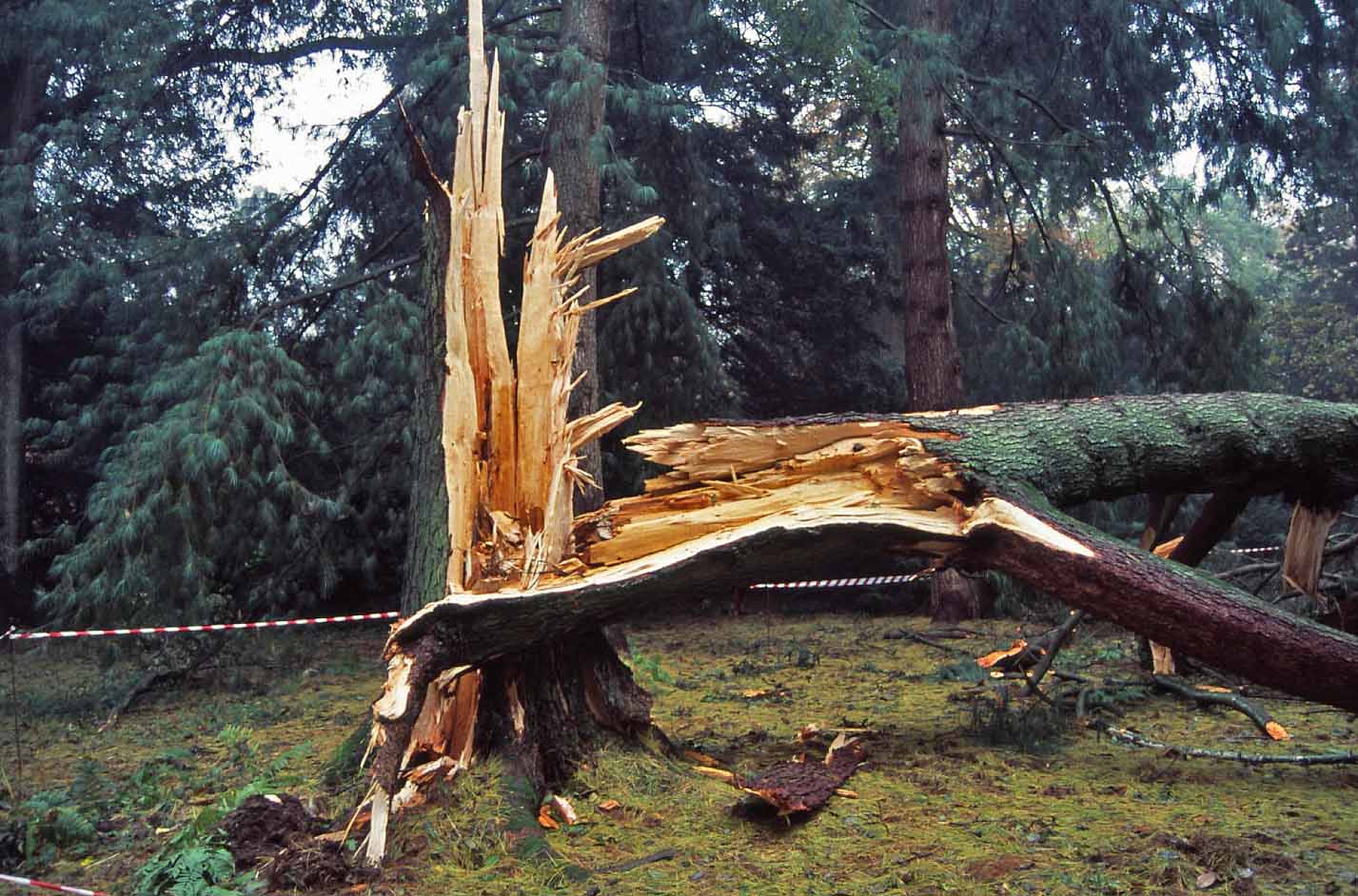
Councils use these reports to make sure trees aren’t removed without good reason. A qualified arborist checks if the tree is sick, damaged, or unsafe. They also look at whether it could fall during storms or damage nearby buildings. This helps councils decide if it’s safe and necessary to remove it.
Without this report, your application may be delayed or rejected. Councils need solid information to support any request that involves changing or removing trees. Submitting a proper document from someone with training and experience speeds things up and avoids extra paperwork later.
The person writing the report must have formal training in arboriculture. That means they know how different trees grow, what signs point to disease, and when a tree becomes dangerous. Their knowledge helps back up your request with facts instead of just opinions.
You also protect yourself by getting expert advice first. If you cut down a tree without council permission, fines can apply, even if you thought it was okay to do so. A proper assessment gives peace of mind and keeps everything legal.
Tree care rules vary depending on where you live. Some areas protect certain types of trees no matter their size or health status. Others focus more on location, like near footpaths or heritage zones, where stricter rules can apply.
Getting the right report early in the process avoids stress later on. It shows you’re doing things properly and respecting local guidelines around vegetation management.
Choosing the Right Arborist for the Job
Picking someone to assess your tree or prepare a report isn’t just about who’s available. Councils often have strict rules around what they accept, so it’s important to go with an arborist who knows those rules inside out. You need someone trained, with proper certificates and experience in preparing reports for council approval or tree removal.
Start by checking if the arborist is qualified through a recognised organisation like the Australian Qualifications Framework (AQF). For most councils, a Level 5 AQF certification is required when submitting a qualified arborist report. Anything less might not be accepted. Look on their website or ask them directly about their credentials before you book anything.
Experience matters too. Someone who has worked with local councils before will likely know what each one expects in terms of layout, details, and supporting evidence. This saves time and avoids back-and-forth revisions that can delay your application.
Also, check if they carry insurance. Public liability cover is essential because working around trees can involve risk, both for people and property nearby. If something goes wrong during inspection or pruning, you don’t want to be left responsible.
Ask about past jobs as well, especially those involving approvals from your local council. A good arborist should be able to show examples of previous reports they’ve written that were approved without issue.
Finally, make sure they explain things clearly. If an arborist uses confusing language or avoids questions, that could lead to problems later on when you’re trying to understand what’s going into the report you’re paying for.
Getting someone reliable means fewer headaches down the line, whether you’re removing a tree or applying for development approval near protected vegetation.
Streamline the Approval Process with Professional Guidance
Getting council approval for tree removal or pruning can take time. If the paperwork is incomplete or unclear, it may be rejected or delayed. That’s why getting help from someone who knows what councils need makes a big difference. A qualified arborist report includes all the required details that local authorities usually ask for.
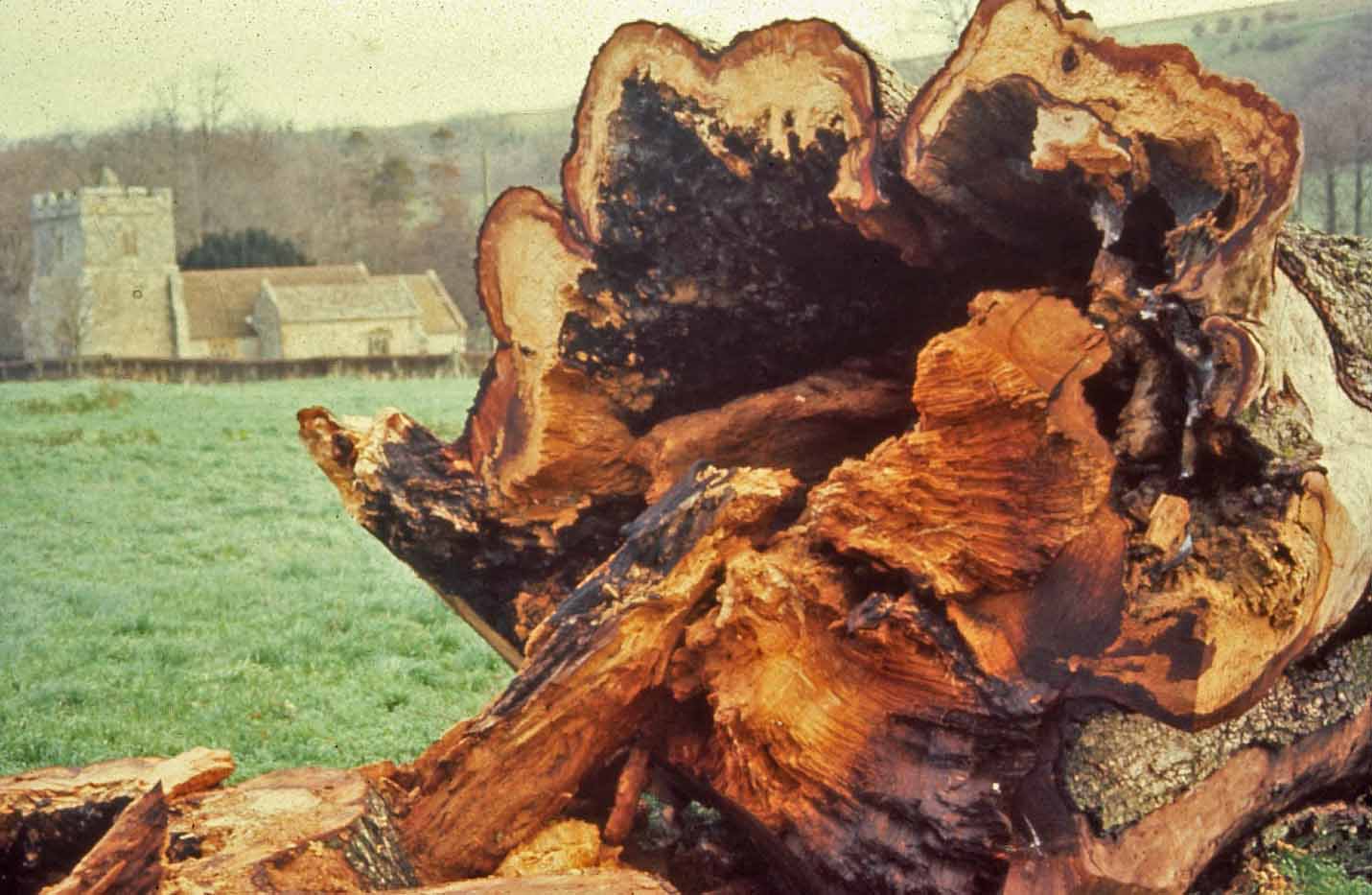
Councils often want to see proof of tree health, risk assessments, and reasons for removal. An experienced arborist understands how to present this information clearly and in line with local rules. This means your application has a better chance of going through smoothly without back-and-forth emails or extra inspections.
Trying to handle this on your own might lead to mistakes. You might miss important points or use language that doesn’t match what the council expects. That could mean more waiting, extra fees, or even penalties if you go ahead without proper permission.
With professional input, you get documents that tick all the right boxes from the start. The arborist will assess the site in person and write reports based on real conditions, not guesses, so there’s no confusion when you submit them.
This approach also helps avoid future issues if neighbours complain about tree works. When everything is done by the book and backed by clear records, it’s easier to show that steps were taken properly.
Whether you’re managing private property or handling trees on commercial land, using expert help reduces stress during applications. It keeps things simple and gives you peace of mind knowing you’re not missing anything important before sending off your forms.
By working with a trusted professional early on, you’re less likely to face hold-ups later down the track due to missing info or unclear wording in your submission.
Getting Your Tree Works Right from the Start
When it comes to managing trees on your property, understanding what your local council requires is half the battle. A qualified arborist report not only ensures you meet those legal obligations but also helps protect the health and safety of your landscape. Choosing an experienced arborist makes all the difference, offering expert advice tailored to your situation. With professional guidance, you can navigate approvals more smoothly and avoid costly delays or mistakes. So, whether you’re planning a removal or just need council sign-off, having the right support in place means less stress and better results for you and your trees.
Share This Story, Choose Your Platform!
About the Author: Canopy Consultancy