
Managing a property in the South of England requires a proactive approach to landscape safety, particularly when dealing with mature vegetation. For many landowners and developers, Tree Hazard Assessment Surveys in Surrey represent a critical step in fulfilling their legal duty of care. These surveys provide a detailed inspection of trees to identify structural weaknesses, diseases, or environmental factors that could lead to failure. By understanding the health of your trees, you can mitigate risks before they result in property damage or personal injury. This guide explores the necessity of professional inspections and how they safeguard both people and assets.
The Importance of Regular Tree Hazard Assessment Surveys in Surrey
Surrey is one of the most wooded counties in the United Kingdom, which contributes significantly to its local character and property value. However, this density of trees brings a higher level of responsibility for those who manage the land. Implementing Tree Hazard Assessment Surveys allows owners to stay ahead of potential issues caused by aging specimens or extreme weather patterns. A survey is not merely a box-ticking exercise for insurance but a vital tool for long-term site management. It identifies trees that may appear healthy to the untrained eye but actually harbour internal decay or unstable root systems.
Expert arborists look for specific physiological signs during an inspection. These signs include fungal growth at the base, significant leans, or deadwood within the canopy that could fall during high winds. By catching these problems early, property owners can often save a tree through targeted pruning rather than full removal. This balanced approach preserves the local ecosystem while ensuring the site remains safe for residents and visitors alike.
Planning authorities often look favourably upon developers who show a clear commitment to tree safety from the outset of a project. Incorporating these surveys into your initial site assessment demonstrates a high level of professional due diligence. It also prevents costly delays that occur when a dangerous tree is discovered mid-construction. In many cases, a thorough report can simplify the planning process by providing clear evidence of why certain works are necessary.
Understanding the Methodology of a Professional Survey
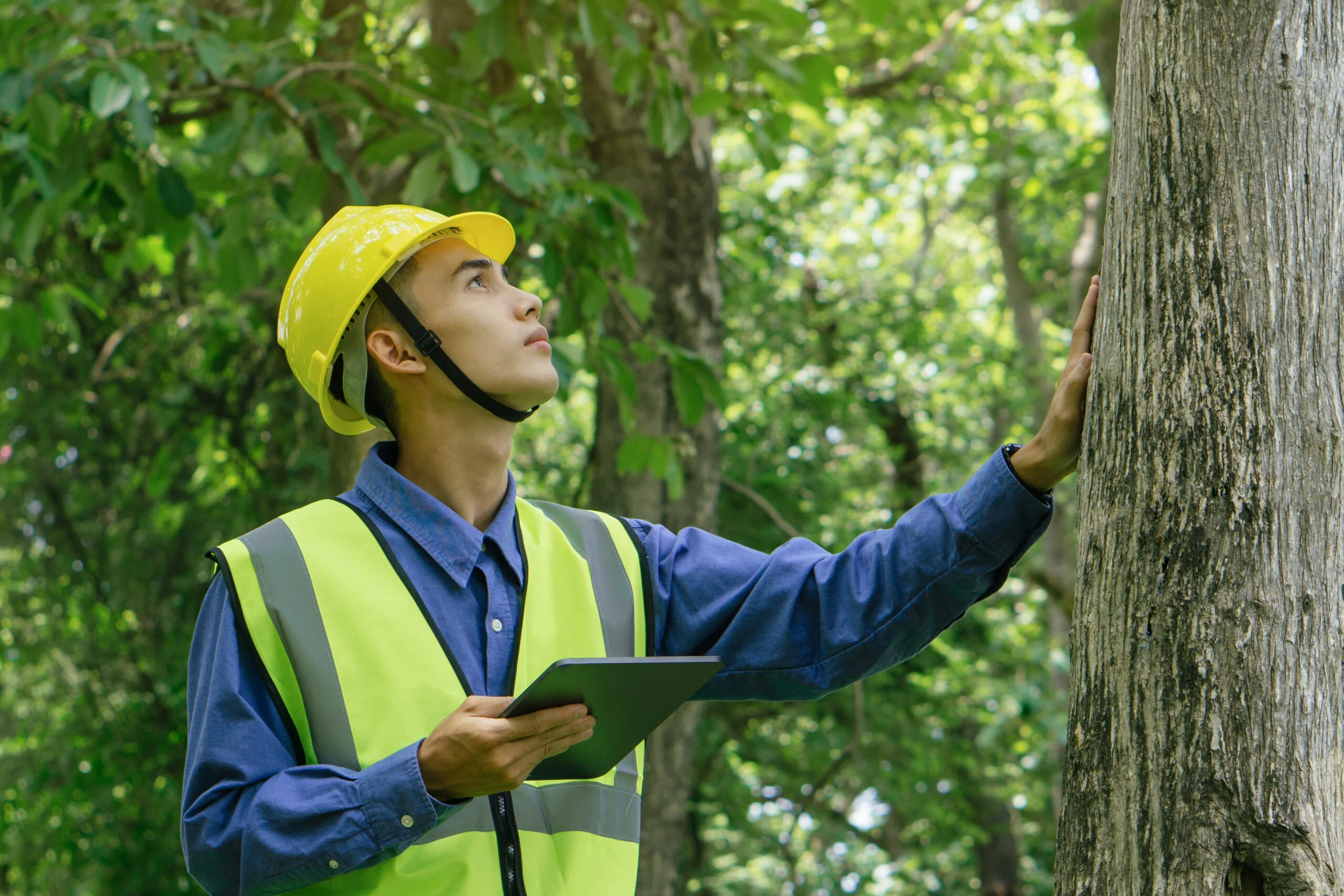
A professional survey begins with a visual inspection from the ground, often referred to as a Visual Tree Assessment. This process involves examining the trunk, the crown, and the surrounding soil for any indicators of distress or structural instability. During Tree Hazard Assessment Surveys in Surrey, specialists use their knowledge of local species to predict how certain trees will react to the specific soil types and climates of the region. This local expertise is invaluable for identifying subtle signs of disease that might be missed by a generalist.
If the initial visual assessment suggests internal issues, more advanced diagnostic tools may be required to confirm the findings. Tools such as micro-drills or sonic tomograph systems can measure the density of the wood without causing significant harm to the tree. These techniques allow the arborist to see inside the trunk and determine the extent of any hollows or decay. This data-driven approach ensures that recommendations for work are based on facts rather than assumptions.
Once the physical inspection is complete, the findings are compiled into a comprehensive report. This document typically categorises trees based on their risk level, allowing the landowner to prioritise the most urgent works. High-risk trees might require immediate cordoning or removal, while lower-risk specimens may only need monitoring over the coming years. This structured plan helps in budgeting for maintenance and ensures that resources are directed where they are most needed.
Legal Responsibilities and the Duty of Care
Under UK law, the owner of the land where a tree stands is responsible for any damage or injury it causes. This legal “duty of care” means that you must take reasonable steps to ensure your trees do not pose a danger to others. Commissioning Tree Hazard Assessment Surveys in Surrey is a recognised way to demonstrate that you have fulfilled this obligation. Should an incident occur, having a recent professional report serves as evidence that you were proactive in managing your liabilities.
Neglecting tree maintenance can lead to significant legal complications, especially if a tree falls onto a public highway or a neighbouring property. The courts generally expect property owners to have their trees inspected at regular intervals by a qualified professional. For commercial properties, schools, or public spaces, these intervals are often more frequent due to the higher volume of foot traffic. Failing to provide a safe environment can result in heavy fines and a tarnished reputation.
Furthermore, many insurance providers now require proof of regular tree inspections as a condition of their policies. If you cannot provide a current hazard assessment after a storm event, your claim for damages could be rejected. By maintaining a schedule of professional surveys, you protect your financial interests as well as the safety of the public. It is a small investment that offers significant peace of mind for any property manager or homeowner.
Environmental Benefits of Proactive Management
Safety is the primary driver for these surveys, but the environmental benefits should not be overlooked. A well-managed woodland or garden is more resilient to the challenges of climate change and local pests. Through Tree Hazard Assessment Surveys in Surrey, arborists can identify invasive species or diseases like Ash Dieback early on. Controlling these issues at the source prevents them from spreading to healthy trees across the wider Surrey landscape.
Pruning and maintenance based on survey results also encourage better growth patterns. By removing dead or diseased limbs, the arborist allows the tree to focus its energy on healthy branches and new growth. This improves the overall vitality of the canopy and can extend the life of a mature tree by decades. A healthy tree provides better carbon sequestration and supports a wider range of local wildlife, from nesting birds to beneficial insects.
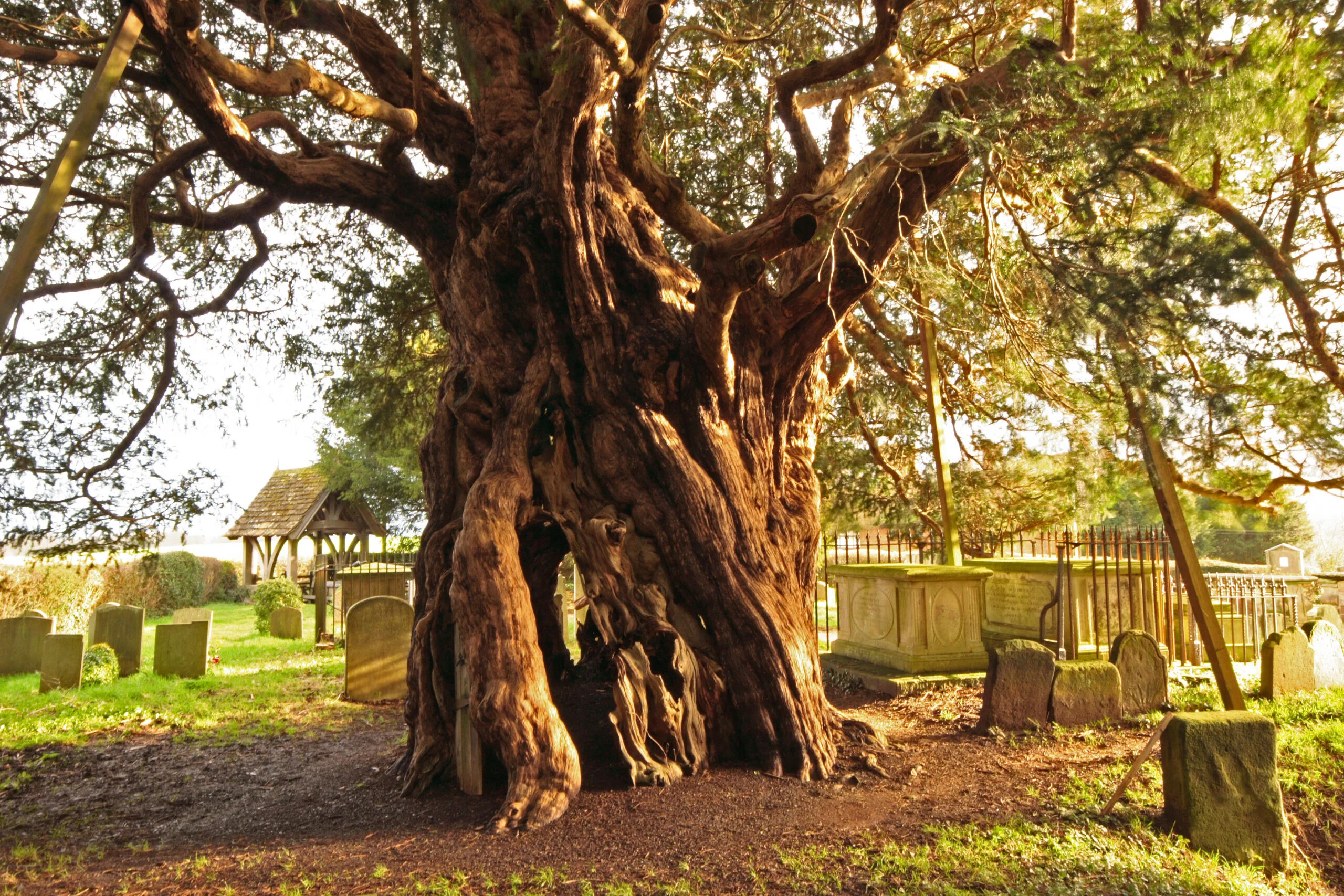
In some instances, the survey might suggest “retrenchment pruning” for very old or veteran trees. This specialised technique mimics the natural aging process, reducing the weight of the crown to prevent the tree from collapsing under its own mass. This allows ancient trees to remain part of the landscape for as long as possible. Preserving these historic specimens is a key goal for many residents in Surrey who value the natural heritage of their local area.
Navigating the Planning System in the South of England
For those looking to develop land, trees can often be seen as a hurdle to overcome. However, by integrating Tree Hazard Assessment Surveys in Surrey into your planning application, you can turn a potential problem into a clear strategy. Local Planning Authorities in areas like Guildford, Woking, and Reigate have strict guidelines regarding the protection of trees during construction. A professional hazard report shows the council that you have considered the safety and longevity of the trees on your site.
A hazard assessment often works alongside a BS5837 survey, which is the British Standard for trees in relation to design and construction. While the BS5837 survey focuses on how the development affects the trees, the hazard assessment focuses on how the trees might affect the future occupants. Together, these reports provide a full picture of the site dynamics. This level of detail helps planning officers make informed decisions and often leads to faster approvals.
Even for smaller projects like home extensions or new driveways, a hazard assessment can be beneficial. It ensures that the new structure is not placed within the falling distance of a compromised tree. It also helps in identifying which trees are worth keeping and which might become a liability in the near future. Investing in professional advice at the start of a project prevents the heartache of having to remove a beloved tree after the construction has already finished.
Summary and Final Thoughts on Tree Safety
Maintaining a safe and beautiful landscape in the UK requires a combination of respect for nature and a commitment to professional standards. By regularly commissioning Tree Hazard Assessment Surveys in Surrey, you are taking a vital step in protecting your property and the people who use it. These surveys provide the clarity needed to manage risks effectively while ensuring that the lush, green character of the county is preserved for future generations.
Whether you are a developer looking to break ground or a homeowner with a single large oak in the garden, the value of expert advice cannot be overstated. A professional arborist brings a level of insight that goes far beyond a simple visual check. They provide a roadmap for maintenance that balances safety, legality, and environmental stewardship. Ultimately, being proactive is the most cost-effective and responsible way to manage the trees on your land.
Frequently Asked Questions
How often should I have my trees inspected? It is generally recommended to have a professional inspection every eighteen to twenty-four months. This allows the arborist to see the trees in different seasons, ensuring that both summer health and winter structural integrity are assessed.
Will I always need to remove a tree if it is found to be a hazard?
Not necessarily. Many hazards can be mitigated through professional pruning, bracing, or by moving targets away from the tree. Removal is usually a last resort when the risk cannot be managed through other means.
Do I need permission from the council to carry out a survey?
No, you do not need permission to have a tree surveyed. However, if the survey recommends work and the tree is protected by a Tree Preservation Order or is in a Conservation Area, you will need to apply for consent before starting the work.
What is the difference between a tree survey and a hazard assessment?
A general tree survey often lists the species and size for inventory purposes. A hazard assessment specifically focuses on the structural integrity and the potential for the tree to cause harm or damage.
Can a builder carry out these assessments?
No, these assessments must be carried out by a qualified arboricultural consultant. They have the specific training and professional indemnity insurance required to provide reliable safety advice.
Share This Story, Choose Your Platform!
About the Author: Canopy Consultancy